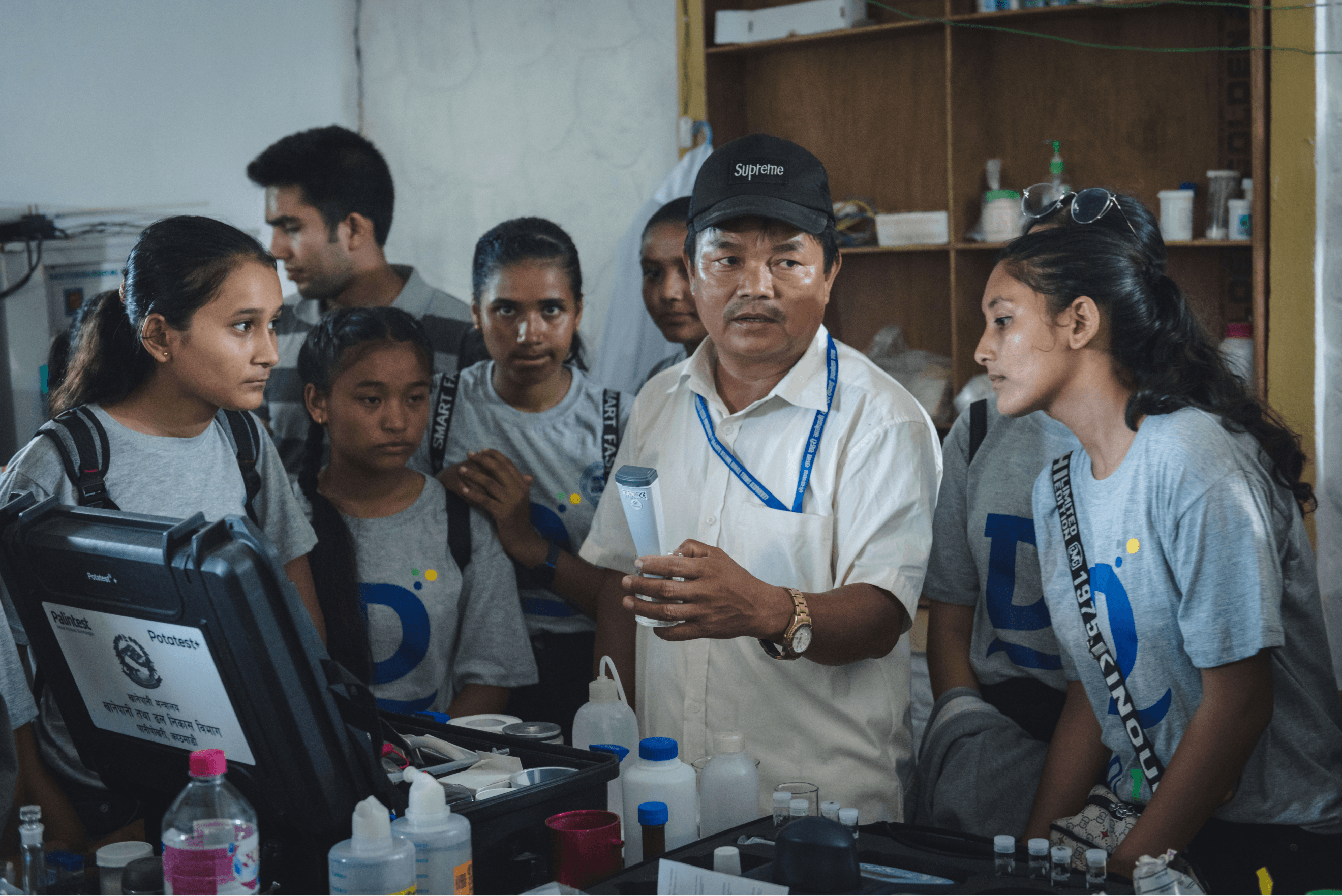
Schools are more than places of learning—they're community anchors, trusted institutions, and pipelines for future leadership. Water Clubs transform schools into hubs for environmental action and civic engagement.
Why Schools?
Our choice to center Water Clubs in schools wasn't arbitrary. Schools offer unique advantages:
- **Institutional Stability**: Schools endure while individual projects come and go
- **Motivated Youth**: Students are naturally curious and eager to contribute meaningfully
- **Community Trust**: Schools connect directly to families and neighborhoods
- **Curriculum Integration**: Water monitoring reinforces science, math, and citizenship education
- **Sustainability**: Each graduating class trains the next, ensuring continuity
Establishing a Water Club: The First Steps
Starting a Water Club begins with partnership. We approach school administrations not as external implementers but as collaborators. The school provides:
- A faculty advisor committed to the club
- Scheduled meeting time within school activities
- Space for equipment storage and basic testing
- Permission for field activities and data collection
We provide:
- Initial training for faculty and students
- Water testing equipment and supplies
- Access to the drinkPani digital platform
- Ongoing technical support and refresher training
- Recognition and showcase opportunities
Recruiting Young Water Volunteers
Not every student joins the Water Club, and that's okay. We look for:
- Genuine interest in environmental and community issues
- Willingness to commit time for training and activities
- Diversity—gender, caste/ethnicity, academic performance
- Leadership potential and communication skills
Recruitment emphasizes opportunity and responsibility. This isn't just an extracurricular activity—it's a chance to contribute real value to the community, develop professional skills, and be part of something larger than oneself.
Training: From Novice to Navigator
The initial training curriculum covers:
Water Science Basics: Understanding water sources, quality parameters, contamination pathways, and health impacts. Students learn why pH matters, what turbidity indicates, and how to interpret test results.
Testing Procedures: Hands-on practice with water testing kits—proper sample collection, equipment calibration, conducting tests, recording results accurately.
Digital Tools: Using the drinkPani mobile app—data entry, photo documentation, GPS tagging, uploading to cloud database.
Communication Skills: How to explain findings to community members, present data to authorities, and use information for advocacy.
Safety and Ethics: Protocols for safe fieldwork, respecting community norms, maintaining data integrity, and protecting personal safety.
Training isn't one-and-done. Regular refreshers, peer mentoring, and advanced modules keep volunteers engaged and skilled.
Activities and Impact
Water Club activities extend beyond testing:
- **Regular Monitoring**: Scheduled water quality checks at community sources
- **Awareness Campaigns**: School assemblies, community presentations, social media posts
- **Data Analysis**: Identifying trends, comparing locations, investigating anomalies
- **Advocacy**: Presenting findings to water utilities and local government
- **Peer Education**: Training younger students and neighboring schools
- **Research Projects**: Student-led investigations into local water issues
The impact is multifaceted. Community members gain access to information previously unavailable. Water utilities receive data that improves service delivery. Students develop skills, confidence, and civic identity. Schools enhance their reputation and community engagement.
Challenges and Solutions
Running Water Clubs isn't without challenges:
Time Constraints: Academic pressures compete with club activities. Solution: Integrate water monitoring with science curricula; keep activities focused and efficient.
Resource Limitations: Testing supplies need replenishment. Solution: Budget for recurring costs; seek local sponsorships; train students in equipment care.
Motivation Maintenance: Initial enthusiasm can wane. Solution: Regular recognition events; showcase achievements; connect students to broader network; provide advanced opportunities for committed members.
Data Quality: Ensuring accuracy among student testers. Solution: Rigorous training; spot checks; peer verification; faculty oversight.
Scaling the Model
What started with two schools in Pokhara has potential for nationwide scale. The model is replicable precisely because it's simple:
- Standard training modules that any school can adopt
- Equipment that's affordable and available locally
- Digital platform accessible from any device
- Flexible implementation that adapts to local contexts
As more schools join, network effects amplify impact. Students from different schools collaborate. Data becomes more comprehensive. The movement for youth-led water stewardship grows.
Beyond Water: Life Skills for the Future
Water Clubs teach more than water science. Students develop:
- Scientific thinking and evidence-based reasoning
- Digital literacy and technology skills
- Communication and public speaking abilities
- Teamwork and project management
- Civic engagement and advocacy skills
These capabilities serve students regardless of their future careers. Whether they become engineers, teachers, entrepreneurs, or public servants, the experience of being a Young Water Volunteer shapes their understanding of citizenship and community contribution.
An Invitation
Schools anywhere can start Water Clubs. The model is open, the training materials are shareable, and the drinkPani platform welcomes new users. What's needed is commitment—from schools to prioritize community engagement, from students to contribute their energy, and from communities to value youth leadership.
Water Clubs prove that schools can be more than preparation for life. They can be sites of life-changing community action.